
Highlights
- Prototype hardware cost: ~$130
- Embedded hardware: Raspberry Pi 5, Arducam Time-of-Flight Depth Sensor
- Median caregiver alert latency: 3.32 seconds
- Pose estimation accuracy: 92.49% PCK@24px on held-out scenes
- On-device, privacy-preserving inference: Depth-only, without RGB imagery
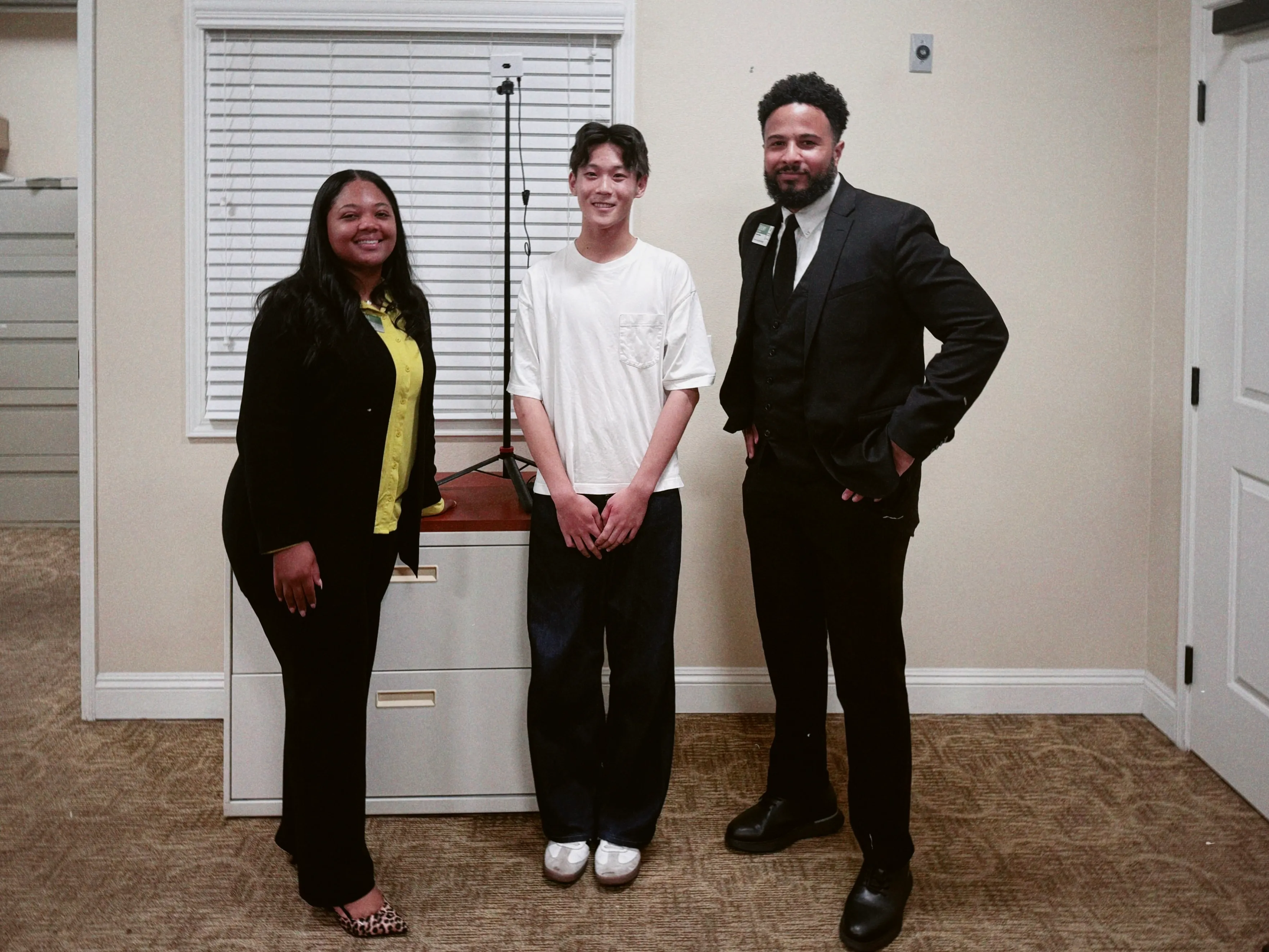 Jun demonstrates Lumisafe at Atria Golden Creek, refining the system with feedback.
My Contributions
Independently designed, developed, and evaluated Lumisafe’s end-to-end hardware and software system under faculty mentorship at Cal Poly Pomona, SoftCom Lab. Presented periodic research updates and discussed technical findings with SoftCom Lab researchers.
- Embedded Systems & Sensor Integration: Integrated a Raspberry Pi 5 with an Arducam ToF depth sensor, developing a privacy-preserving sensing and on-device inference pipeline.
- Dataset Collection and Model Development: Collected and annotated depth data and developed the pose estimation pipeline. Customized U-Net CNN models and fine-tuned YOLO26 Nano Pose to extract COCO-17 skeletons from depth images.
- Machine Learning & Temporal Modeling: Implemented skeleton stabilization, sequence preprocessing, and an attention-based GRU for fall classification.
- System Deployment & Evaluation: Integrated Firebase Cloud Messaging for caregiver alerts and developed a TypeScript-based backend for device online checks. Benchmarked inference and notification latency and evaluated model performance on held-out recordings.
- Real-World Validation: Demonstrated the prototype at Atria Golden Creek. Gathered and incorporated feedback from 7 senior centers to guide system development.
Publications & Presentations
- ICCCM 2026: First-author, peer-reviewed paper accepted for publication in ACM conference proceedings; selected for oral presentation.
- 3rd IEOM World Congress (2026): Research abstract accepted to the World Congress on Industrial Engineering and Operations Management.
Awards & Recognitions
- 1st Place, IUSD Science Fair; Selected to Compete at Orange County Science & Engineering Fair
- 1st Place (Hardware and Electronics), Google igniteCS Programming Expo
Abstract
Falls are a public health challenge, especially for older adults living alone who may not receive timely assistance after a fall. Traditional fall detection systems rely on fixed rules, wearable sensors, or RGB cameras, raising flexibility, usability, or privacy concerns. This project presents Lumisafe, a low-cost, privacy-preserving fall detection system using a Time-of-Flight (ToF) depth camera and on-device machine learning. Lumisafe converts 240x180 Arducam ToF depth images into COCO-17 skeletons using a fine-tuned YOLO26 Nano Pose model without RGB input at inference. The pose estimator achieved 92.49% PCK at 24 pixels, and 97.35% person-detection coverage on held-out scenes. The system stabilizes skeletons into 24-frame, 3-second sequences for classification by an attention-based GRU. Detected falls trigger caregiver notifications through Firebase Cloud Messaging. The dataset contains 1,320 clips from 55 non-overlapping recording sessions. The classifier achieved 87.4% validation accuracy and 77.8% accuracy on the retrospective 198-clip test split. The system achieved a median 3.32-second caregiver mobile alert latency. These results demonstrate the feasibility of privacy-preserving fall monitoring with practical notification latency for real-world healthcare applications.
Engineering Design & Iteration
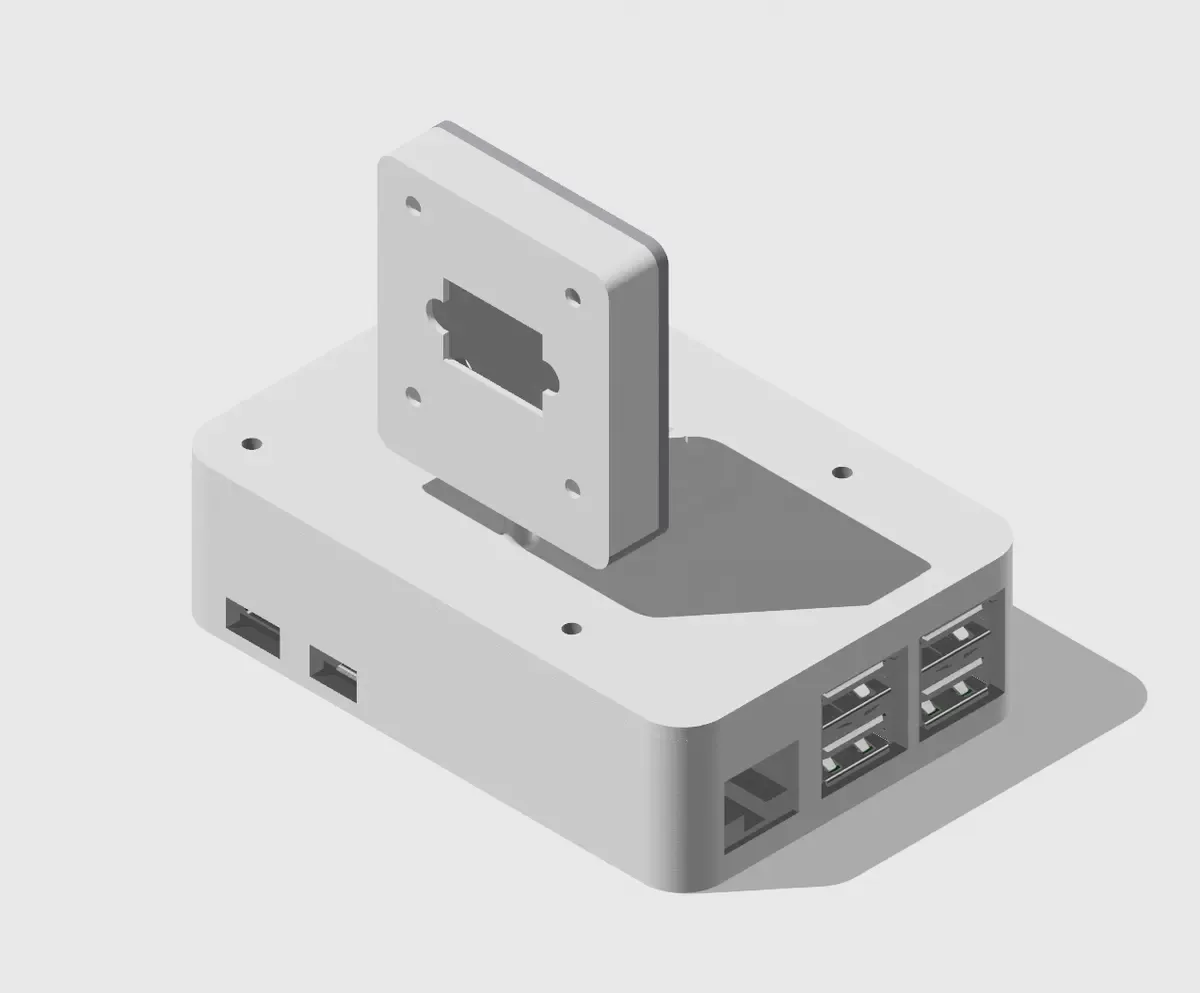 The rendered CAD model of Lumisafe’s second prototype.
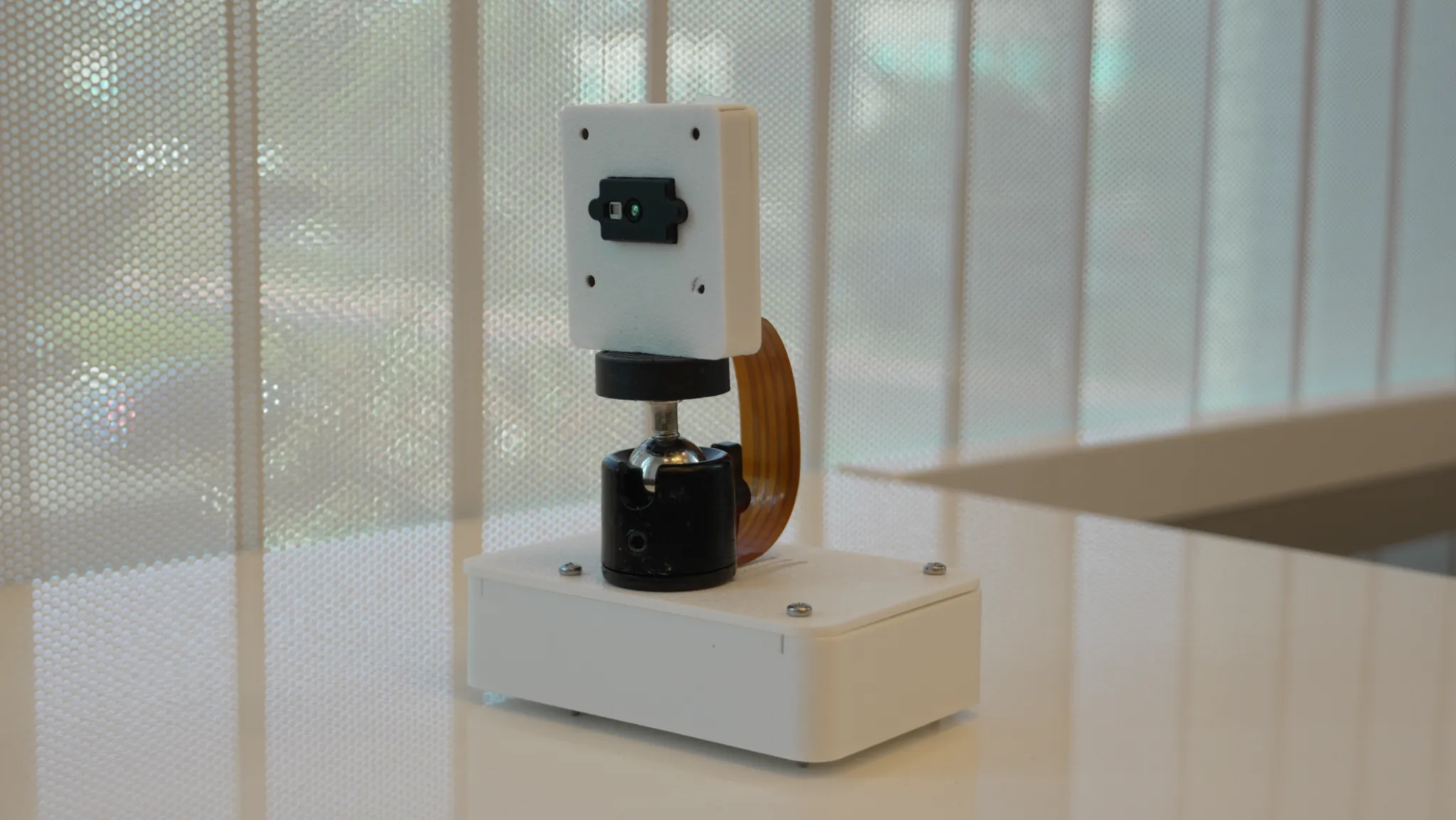 The second prototype featured an adjustable ToF sensor mount, allowing flexible sensor orientation but increasing the device’s overall footprint.
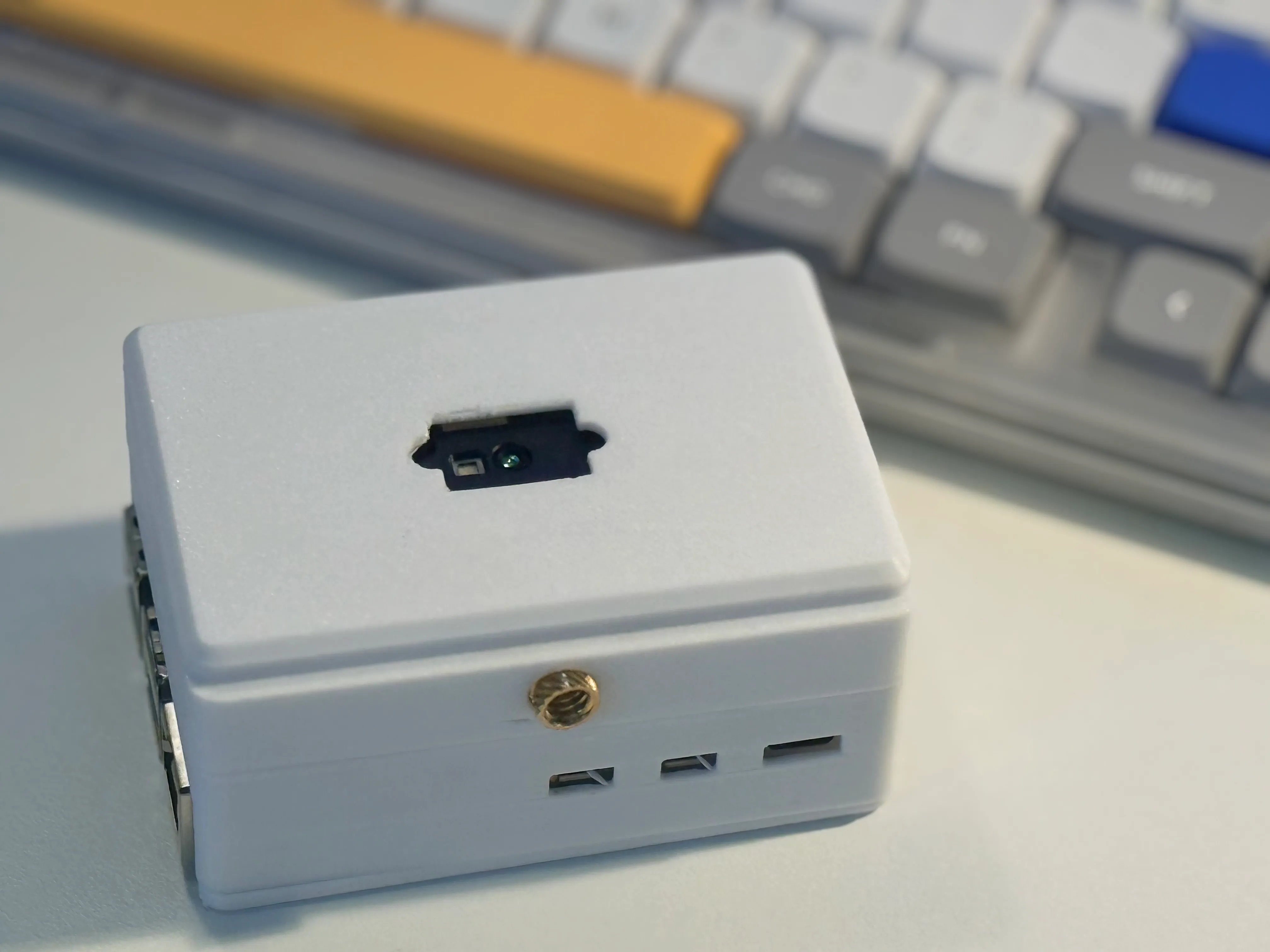
To address deployment constraints, I redesigned the enclosure with a compact, back-to-back sensor and Raspberry Pi configuration, incorporating active cooling and aluminum heat sinks to manage thermal performance during continuous operation.
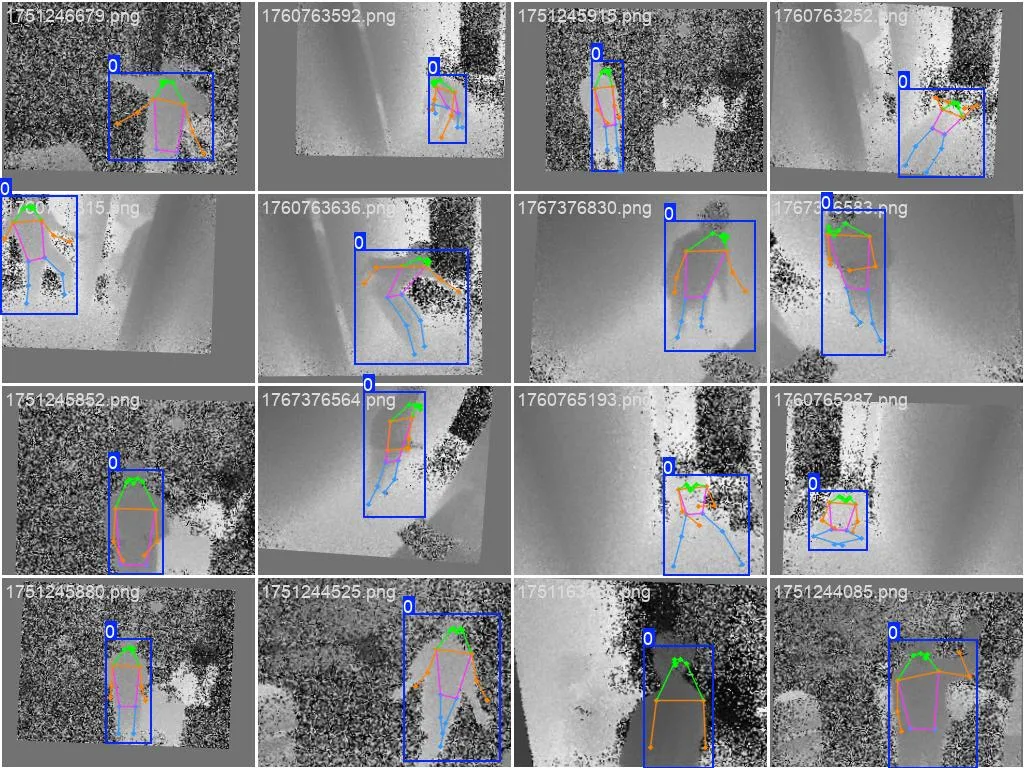 Initial prototypes used my custom U-Net architectures (UNet-Heavy, UNet-Medium, and UNet-Edge) for depth-based pose estimation. The optimized UNet-Edge achieved 89.38% PCK@24px at 8.85 FPS. Following architectural comparisons and evaluation, I transitioned to a fine-tuned YOLO26 Nano Pose model in version 9, improving pose estimation accuracy and generalization.
Acknowledgements
I sincerely thank Dr. Yu Sun and the SoftCom Lab at California State Polytechnic University, Pomona, for their research mentorship and valuable feedback throughout this project. I am also grateful to Mr. Ryan Johnson for his guidance and feedback on my IUSD Science Fair project proposal. Finally, I thank the staff at Atria Golden Creek and other participating senior centers for sharing insights that helped inform Lumisafe’s development and real-world deployment considerations.
Keywords
Fall Detection, Time-of-Flight Sensing, Human Pose Estimation, Recurrent Neural Networks, Privacy-Preserving Healthcare